ChanakAI reconstructs the money trail from bank statements, interrogates case documents with citations, and drafts the reports an officer actually files. Every inference runs on the local machine. There is no cloud call to make.

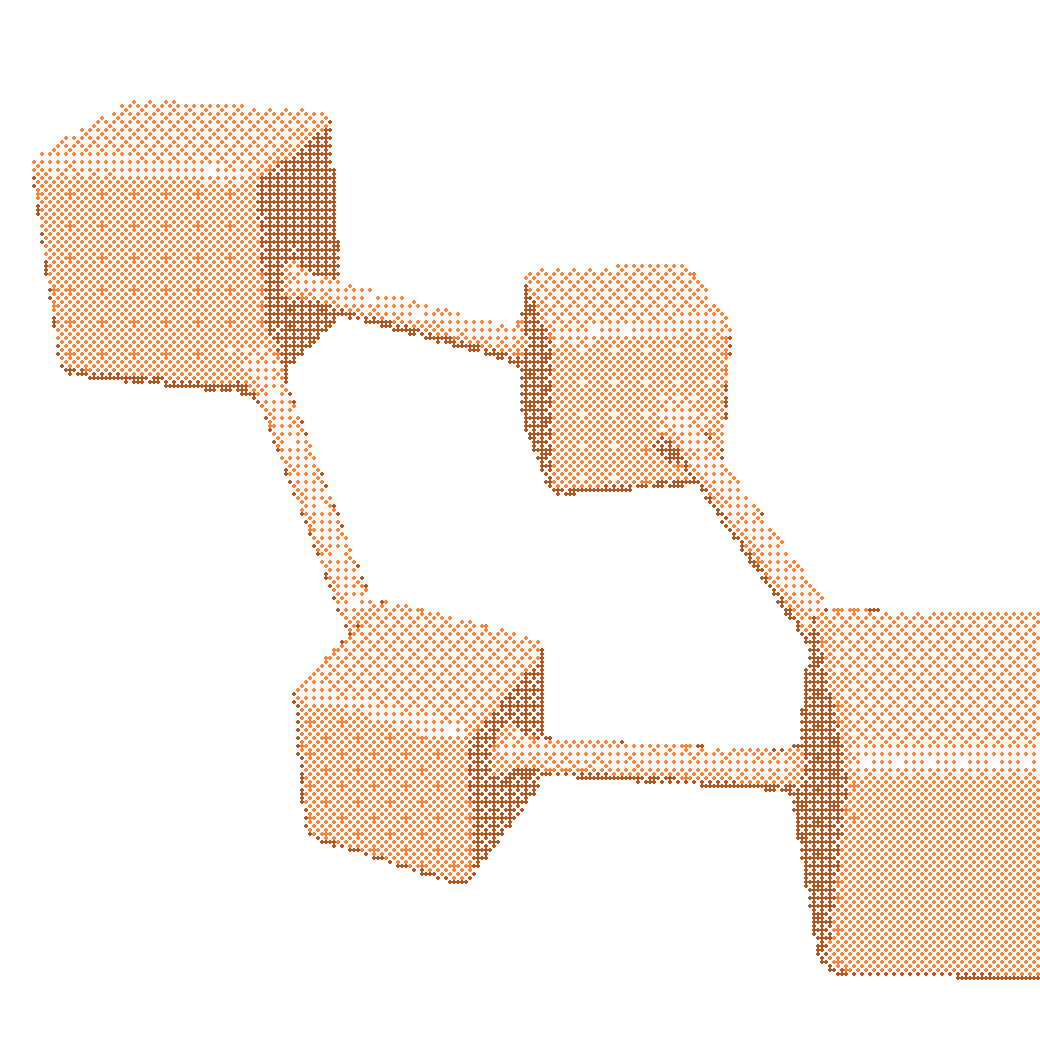
Bank statements become a transaction ledger, then a stage-by-stage flow of funds with accounts ranked by how recoverable they still are.
PDFs, scans, spreadsheets and email answered in plain language, with every figure pointing back to the page it came from.
Findings drafted into the formats an officer submits, exported to PDF or DOCX with an optional chain-of-custody appendix.
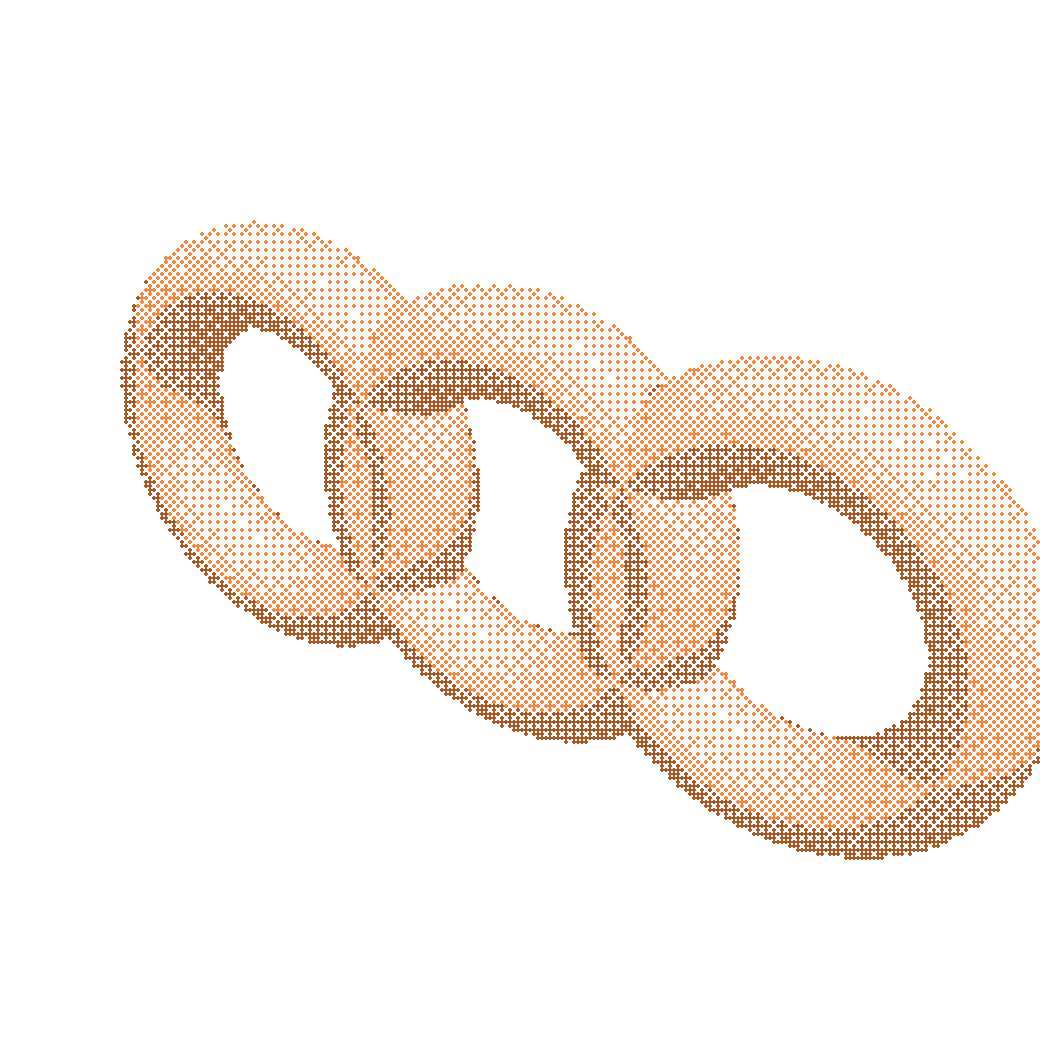
Statements in, money trail out, and the report filed. Every step runs on the officer's own machine.
Any bank, any layout. The columns are mapped, the arithmetic is checked, and the flow of funds comes out the other side.
Three accounts still hold recoverable balance, ₹41L of the ₹2.4cr traced:
HDFC ****4471: ₹18.4L of ₹22L received, no debit since 11 June1
SBI ****2038: ₹6.2L of ₹15L, partially withdrawn2
Axis ****7719: ₹16.4L of ₹19L, no outward transfer3
The same mapped ledger, answered three ways: as a flow, as totals by layer, and as where the money actually ended up.
₹2.4cr moved through 5 layers in 11 days:
Layer 2 carries more than layer 1, which is the re-pooling:
Most of it left as cash, which is why the ₹41L matters:
No statements, no ledger. Drop in what the case has accumulated, ask it questions, and file what you find.
Questions in English or Hindi, answered from the material you ingested, with every claim carrying the document and page behind it.
Three items in this case have no recorded response:
FSL report: relied on in the FIR, never placed on file1
Nodal officer request: sent 12 May, unanswered in 31 messages2
Call records: requested 19 May, not received3
The same answer written up into the report you submit, and delivered without leaving the workstation.
Understand reads a set of related documents as one connected map, so a name that appears in four of them becomes a single point that ties them.
Each file is read for its key ideas, then the concepts that appear in more than one become the bridges that hold the case together.
Pick any point on the map and it tells you what it is, which files it came from, and what it connects to.
One identifier ties the complaint, the seizure and the bank trail into a single account of what happened.
Statements, FIRs, lab reports, spreadsheets and email. Scanned pages go through OCR. Nothing is uploaded anywhere, because there is nowhere to upload it to.
Statements are mapped, validated against balance continuity and declared totals, then traced through the chain. Accounts are ranked by what is still recoverable, because recoverability decays by the hour.
The model drafts, the officer attests. Reports are versioned, exportable and can carry their own handling history as an appendix. AI never produces a signature or an attestation.
Local inference is the premise. What it buys you is that the handling history of a case is complete, local and tamper-evident, and can be printed as part of the document that carries the finding.
Each entry is signed and linked to the previous one, with the key sealed to the Windows user on that machine.
Export a report with its own handling history attached, each row showing the chain hash that ties it to the signed log.
A verifier re-walks the whole file and checks the chain and every signature, without the application running.
No telemetry leaves the device and no third-party asset is fetched at runtime. Everything ships with the install.
Nothing here is tied to one vendor's weights. Add any GGUF model from a file or a URL, and the registry tells you whether your card can actually run it before you commit.
Pick a GGUF off the disk, or paste a URL and watch the download progress. Shipped entries stay read-only; fork one to make it editable.
VRAM is estimated against the card actually in the machine, a sibling vision projector is detected automatically, and a smoke test loads it for real.
Per-model offload, context size and flash-attention settings. Reloading the router takes seconds and open conversations survive it.
Ships configured with Gemma 4 12B and Qwen 3.5 9B (with a vision projector), plus separate embedding and reranking servers. CPU-only machines work; a GPU makes it faster.
Multi-bank statements into one ledger, layered flows surfaced, accounts ranked by freeze priority.
Cyber / EOWA whole case file read at once: persons, evidence inventory, chronology and the gaps still outstanding.
InvestigationCase diary entries, seizure memos, electronic-evidence certificates and chargesheet annexures, drafted and versioned.
Pending vettingDrop a set of related documents in and see the concepts that bridge them, as one connected map.
IntelligenceTranslation and audio transcription on device, with Devanagari and Gujarati rendering throughout.
GovernmentAsk a station diary, a procurement register or an audit workbook a question and get an answer tied to rows.
GovernmentNo. Models, index and case data all sit on the workstation and inference runs locally, so there is no cloud call to make. The one optional network feature is sending a report by email, which uses your own department SMTP server on your own network, and is queued locally if that server is unreachable.
A standard Windows workstation with 16 GB of RAM is the floor, and it runs on CPU alone. A GPU makes generation faster; the hardware panel reports your card, its VRAM and whether it meets the compute capability the CUDA build needs.
Not as it stands. The statutory templates have not yet been through legal vetting and ship behind a notice saying so. Everything the model produces is a draft an officer must verify and attest to. ChanakAI never generates a signature or an attestation, by design.
Because a mapping is not accepted on the model's confidence. It has to survive checks that are arithmetic rather than linguistic: the columns must exist, the dates and amounts must parse, running balances must reconcile, and where the bank prints its own totals, ours must equal them. If a check fails, the officer is shown which column is wrong and why.
Any GGUF model you choose to bring, added from a file or a URL. It ships configured with Gemma 4 12B and Qwen 3.5 9B, but neither is a lock-in: fork the shipped entry, point it at other weights, and reload.
A live demonstration on a standard 16 GB Windows machine. No special hardware, no cloud account, no data of yours involved.
Procurement, tender or GeM enquiries: hello@karpuragaurai.com